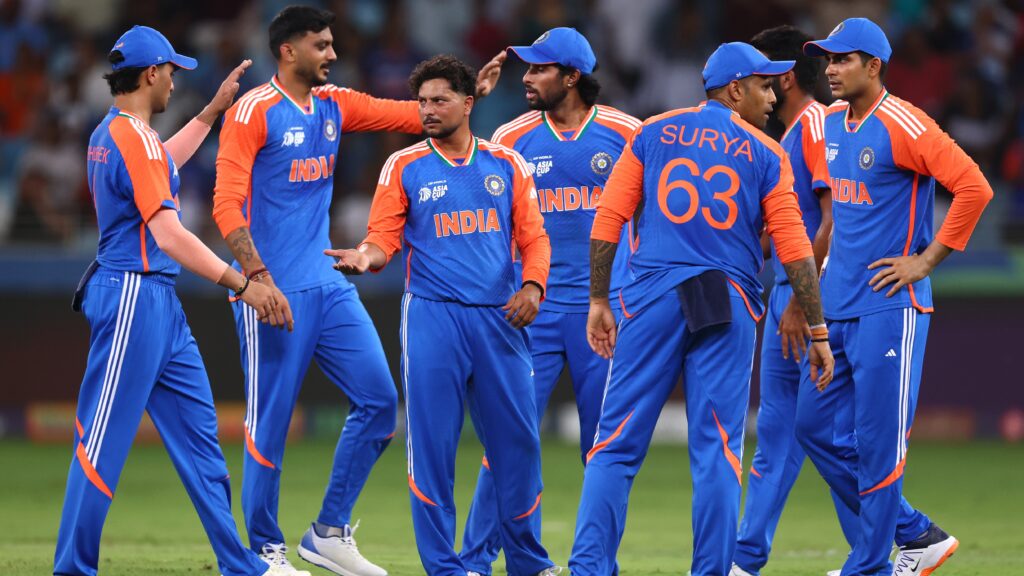
Technology integration has revolutionized cricket through enhanced decision-making accuracy, detailed performance analysis, and improved spectator experiences. These innovations maintain cricket’s traditional character while embracing modern capabilities that benefit players, officials, and fans.
Decision Review System Impact
The Decision Review System transformed umpiring through technology-assisted accuracy. Players challenge on-field decisions using ball-tracking, thermal imaging, and audio analysis that detect edges and LBW dismissals with scientific precision. This system reduces controversial decisions while maintaining human umpiring as the primary authority.
DRS implementation faced initial resistance from traditionalists concerned about disrupting cricket’s flow and undermining umpire authority. However, the system’s accuracy and strategic elements have been widely accepted. Teams must manage reviews carefully, adding tactical dimensions to in-match decision-making.
Ball-Tracking Technology
Hawk-Eye revolutionized cricket analysis through precise ball trajectory prediction. This computer vision system tracks deliveries from release to impact, predicting paths and bounce points with remarkable accuracy. Ball-tracking enables LBW reviews while providing broadcast graphics that enhance viewer understanding.
The technology has expanded beyond decision assistance into performance analysis. Bowlers study ball-tracking data to understand delivery trajectories and plan improvements. This analytical capability transforms coaching through objective feedback previously unavailable.
Ultra-Edge and Hot Spot
Edge detection technologies provide conclusive evidence of bat-ball contact during caught-behind appeals. Ultra-Edge uses sound waves to detect deflections while Hot Spot employs infrared cameras identifying friction marks. These systems eliminate umpiring guesswork regarding faint edges.
Despite reliability improvements, technology limitations occasionally create controversial decisions. Hot Spot can miss certain edge types while Ultra-Edge sometimes picks up extraneous sounds. Understanding these limitations prevents over-reliance on technology while maintaining balanced decision-making approaches.
Player Performance Analytics
Advanced statistics revolutionize player evaluation through comprehensive performance metrics. Analytics platforms measure batting strike rates, bowling economy variations, and fielding efficiencies across different situations. This data informs team selections and tactical planning with unprecedented detail.
Wearable technology monitors player workloads, movement patterns, and physiological responses during training and matches. GPS trackers measure distances covered and sprint efforts while heart rate monitors assess training intensities. This information optimizes conditioning programs and prevents overtraining.
Virtual Reality Training
VR technology creates immersive training environments replicating match situations without physical demands. Batsmen face virtual bowlers at match speeds while adjusting to different ball types and conditions. This innovative training supplements traditional net practice while managing physical workloads carefully.
Cognitive training through VR improves decision-making speed and shot selection under pressure. Players experience countless match scenarios building mental databases of tactical responses. This preparation enhances in-match performance through accelerated experiential learning.
Broadcast Enhancement
Television technology revolutionizes viewer experiences through multiple camera angles, slow-motion replays, and analytical graphics. Spider cameras provide unique perspectives while super slow-motion captures delivery and shot execution details. These enhancements make cricket more accessible and entertaining for global audiences.
Augmented reality graphics overlay statistics and tactical information onto live broadcasts. Viewers understand complex situations through visual explanations that educate while entertaining. This information democratizes cricket knowledge previously limited to expert analysts and commentators.
Pitch and Weather Monitoring
Advanced sensors measure pitch moisture, grass coverage, and wear patterns providing objective surface assessments. This data informs team selection and tactical planning while explaining performance variations across different venues. Understanding pitch characteristics reduces uncertainty and improves strategic preparation.
Weather monitoring systems predict rainfall and playing condition changes with increasing accuracy. These forecasts influence tactical decisions regarding batting first versus chasing while helping organizers schedule matches efficiently. Meteorological technology minimizes weather-related disruptions and uncertainty.
Biomechanical Analysis
High-speed cameras and motion capture technology analyze bowling actions and batting techniques with scientific precision. Biomechanical experts identify efficient movement patterns while detecting injury-risk factors in technical execution. This analysis optimizes performance while protecting player welfare through preventive interventions.
Illegal bowling action detection utilizes biomechanical measurement ensuring fair competition. Players suspected of throwing undergo laboratory testing providing objective assessments. This technology eliminates subjective judgments while maintaining playing regulation integrity.
Social Media Integration
Digital platforms transform fan engagement through real-time interaction and behind-the-scenes content. Players share personal perspectives while teams build communities through authentic communication. This connectivity creates loyal followings while humanizing professional cricketers.
Fantasy cricket and gaming applications leverage technology creating interactive experiences beyond passive viewing. These platforms generate revenue while increasing engagement among younger demographics. Digital innovation ensures cricket remains relevant in competitive entertainment landscapes.
Future Technology Trends
Artificial intelligence promises revolutionary applications including automated video analysis, predictive modeling, and personalized training programs. Machine learning algorithms could identify tactical patterns and suggest strategic adjustments in real-time. These capabilities represent cricket’s technological frontier.
Blockchain technology might transform cricket administration through transparent governance, secure ticketing, and fraud prevention. These applications could restore trust in cricket organizations while improving fan experiences through enhanced security and authenticity verification.
Conclusion
Technology revolution enhances cricket without compromising traditional values and playing integrity. Innovation improves decision accuracy, deepens analytical understanding, and enriches spectator experiences while maintaining cricket’s essential character. Continued technological advancement promises further evolution as cricket embraces modern capabilities while respecting heritage and tradition that define the sport’s unique appeal.


More Stories
Cricket’s Greatest Comebacks – When Teams Defy the Odds
The Science of Swing Bowling – Mastering Cricket’s Dark Art
Cricket Coaching Philosophy – Developing Champions from Grassroots