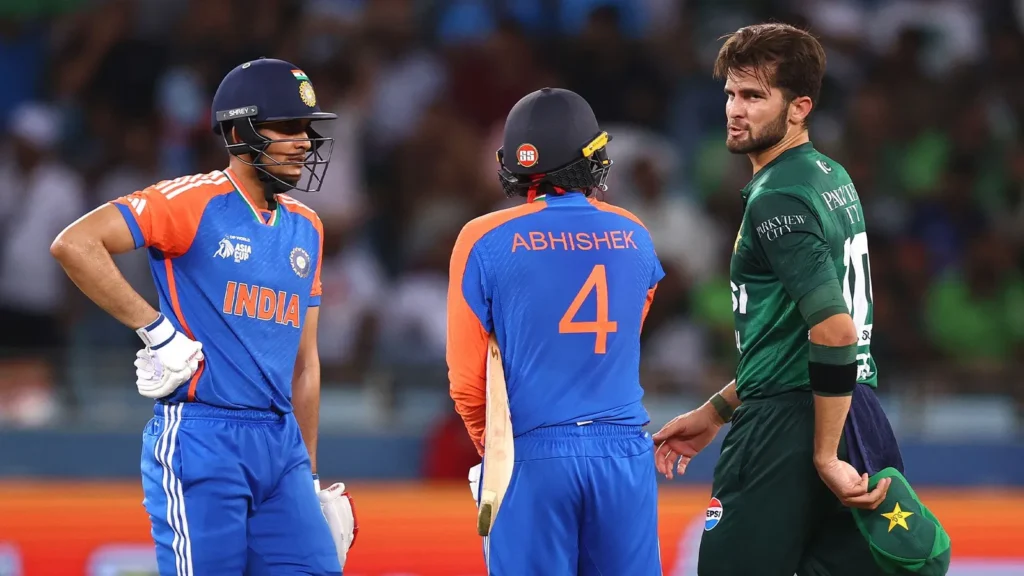
Modern cricket demands exceptional fitness levels as players compete across multiple formats while maintaining peak performance throughout grueling schedules. Contemporary cricketers embrace comprehensive training regimens that transform them into complete athletes rather than skilled specialists.
The Changing Fitness Landscape
Professional cricket has undergone a dramatic fitness transformation over the past two decades. Players now follow periodized training programs incorporating strength training, cardiovascular conditioning, and flexibility work that previous generations would find unrecognizable. This evolution reflects cricket’s increasing physical demands across all formats.
Today’s cricketers spend as much time in gymnasiums as they do in practice nets. Specialized strength and conditioning coaches design individualized programs targeting specific physical requirements for different playing roles. Fast bowlers focus on explosive power and core stability, while batsmen emphasize hand-eye coordination and lower body strength.
Strength Training Protocols
Resistance training forms the foundation of modern cricket fitness programs. Players utilize compound movements like squats, deadlifts, and bench presses to build overall strength while maintaining flexibility and mobility. These exercises develop the muscular power necessary for explosive batting, fast bowling, and athletic fielding.
Cricket-specific strength training includes rotational exercises that replicate batting and bowling movements. Medicine ball throws, cable rotations, and unilateral exercises develop the asymmetrical strength patterns unique to cricket. This targeted approach enhances performance while reducing injury risk through balanced muscular development.
Cardiovascular Conditioning
Endurance training enables cricketers to maintain performance throughout long matches and competition seasons. Interval training combines high-intensity sprints with recovery periods that mirror cricket’s stop-start nature. This conditioning approach improves both aerobic capacity and anaerobic power essential for cricket performance.
Test cricket requires exceptional endurance as players compete for five consecutive days. Bowlers must maintain pace and accuracy through long spells while batsmen need concentration and physical capacity for extended innings. Cardiovascular fitness provides the stamina foundation supporting these sustained efforts.
Flexibility and Mobility Work
Contemporary cricket emphasizes flexibility training to enhance performance and prevent injuries. Dynamic stretching before matches prepares muscles for explosive movements while static stretching post-game aids recovery. Yoga and Pilates have become integral components of professional cricket fitness programs.
Fast bowlers particularly benefit from thorough flexibility work that maintains the extensive range of motion required for effective bowling actions. Hip mobility, shoulder flexibility, and thoracic spine rotation all contribute to bowling efficiency while reducing stress on vulnerable joints and muscles.
Nutrition Science Application
Sports nutrition has revolutionized cricket performance through evidence-based dietary strategies. Players follow customized meal plans that optimize energy levels, support recovery, and maintain ideal body composition. Nutritionists travel with teams ensuring players receive appropriate fuel for training and competition demands.
Hydration protocols prevent performance decline through careful fluid and electrolyte management. Cricket’s outdoor nature and long match durations create significant hydration challenges, particularly in hot climates. Scientific hydration strategies maintain cognitive function and physical performance throughout extended playing periods.
Recovery Strategies
Modern cricket recognizes recovery as crucial for sustained high performance. Ice baths, compression garments, and massage therapy accelerate physical recovery between matches and training sessions. Sleep optimization through proper scheduling and sleep hygiene practices ensures adequate rest for physiological adaptation.
Technology aids recovery monitoring through wearable devices tracking sleep quality, heart rate variability, and training loads. This data allows coaches to adjust training intensity and volume based on individual recovery status. Preventive rest periods reduce injury risk while maintaining long-term performance capabilities.
Mental Conditioning
Psychological preparation receives equal emphasis alongside physical training in contemporary cricket. Sports psychologists work with players developing mental skills including concentration, confidence, and stress management. Meditation and mindfulness practices enhance focus while reducing performance anxiety.
Visualization techniques help players prepare for match situations and practice skills mentally. This mental rehearsal complements physical practice while building confidence through imagined successful performances. The mental game often determines outcomes between equally skilled opponents.
Format-Specific Fitness
Different cricket formats require adapted fitness approaches. T20 cricket emphasizes explosive power and speed while Test cricket prioritizes endurance and sustained concentration. Players specialize their fitness training based on format focus, though versatile players maintain capabilities across all formats.
Fielding fitness has become particularly crucial in limited-overs cricket where athletic ground fielding and aggressive running between wickets create competitive advantages. Specialized agility training and sprint work develop the explosive movements essential for modern fielding standards.
Injury Prevention Programs
Preventive fitness training reduces injury incidence through targeted strengthening of vulnerable areas. Fast bowlers perform extensive core and shoulder stabilization exercises while batsmen focus on lower body injury prevention. These programs address common cricket injuries before they occur through proactive conditioning.
Biomechanical analysis identifies technical flaws that increase injury risk. Correcting these movement patterns through specific exercises and technical adjustments protects players while enhancing performance efficiency. This integrated approach combines medical, coaching, and fitness expertise.
Technology Integration
Wearable technology monitors training loads, movement patterns, and physiological responses providing objective data for program optimization. GPS trackers measure distance covered and sprint efforts during matches and training. This information guides conditioning programs while preventing overtraining through accurate workload quantification.
Virtual reality and simulation technology create innovative training environments that replicate match situations without physical stress. These tools allow extensive skill practice and tactical preparation while managing physical training loads carefully.
Conclusion
Cricket fitness evolution transforms the sport through scientific training approaches that create complete athletes capable of meeting modern performance demands. This revolution enhances playing standards while protecting player welfare through evidence-based conditioning and recovery protocols. The continued integration of sports science ensures cricket remains physically demanding yet sustainable for professional athletes pursuing long, successful careers.


More Stories
Cricket’s Greatest Comebacks – When Teams Defy the Odds
The Science of Swing Bowling – Mastering Cricket’s Dark Art
Cricket Coaching Philosophy – Developing Champions from Grassroots