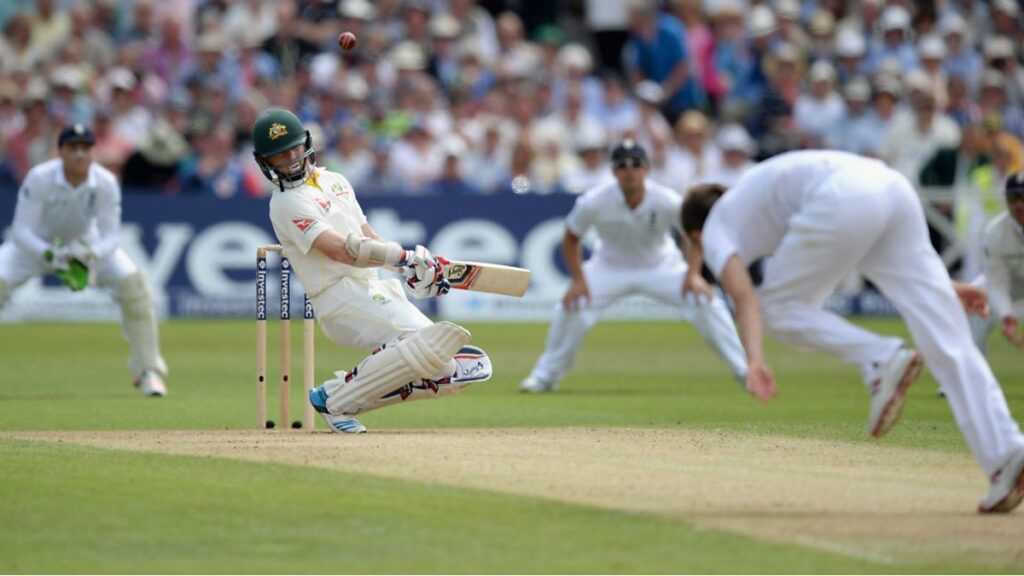
Swing bowling represents cricket’s most fascinating technical discipline, utilizing aerodynamic principles to curve deliveries through the air deceiving batsmen. Mastering swing requires understanding physics, technique, and environmental factors that create this mesmerizing skill.
Understanding Swing Physics
Swing bowling exploits pressure differentials between cricket ball sides causing lateral movement through air. Conventional swing occurs when smooth, shiny surfaces create lower pressure than rough surfaces, curving balls toward the rough side. This aerodynamic principle transforms cricket balls into curving projectiles.
The Magnus effect contributes additional swing through ball rotation. Spinning balls drag air differentially creating pressure imbalances perpendicular to rotation axes. Combining seam position with rotation generates complex swing patterns challenging batsmen’s prediction abilities.
Seam Position Importance
Perfect seam presentation requires precise wrist position and finger placement during release. The seam must angle toward intended swing direction creating turbulent airflow on one side. Even slight seam wobbles reduce swing effectiveness making consistent seam presentation crucial for reliable swing bowling.
Different seam angles create varied swing amounts and trajectories. Experienced swing bowlers manipulate seam positions subtly disguising intended swing directions until late delivery phases. This deception compounds batsmen’s difficulties distinguishing swing type and direction.
Conventional Swing Technique
Outswing bowling requires seam angles toward slip positions for right-handed batsmen. The shiny side faces leg side creating pressure differentials curving balls away from batsmen. This natural swing challenges batsmen’s defensive techniques forcing risky drive attempts.
Inswing bowling reverses seam and shine positions, curving deliveries toward batsmen. Late inswing proves particularly dangerous, targeting pads and stumps when batsmen play across swing lines. This wicket-taking delivery requires precise accuracy and confident release techniques.
Reverse Swing Mastery
Reverse swing occurs with older balls when rough surfaces become extremely degraded. Counterintuitively, balls swing toward the shiny side through complex turbulent airflow interactions. This phenomenon revolutionized fast bowling through late-career ball effectiveness.
Achieving reverse swing requires careful ball maintenance throughout innings. Fielding teams preserve shine on one side while roughening the opposite through legal means. This strategic ball management creates reverse swing opportunities typically emerging after 30-40 overs.
Environmental Factors
Weather conditions significantly influence swing bowling effectiveness. Overcast conditions with humid air enhance swing through increased air density and moisture content. Bowlers target these conditions for maximum swing exploitation.
Wind direction affects swing magnitude and reliability. Crosswinds assist swing in their direction while headwinds reduce swing effectiveness. Experienced bowlers adjust seam angles compensating for wind influences maintaining swing consistency.
Ball Maintenance Strategy
Preserving ball condition becomes a team responsibility beyond bowlers alone. Fielders avoid grass contact on shine sides while consciously roughening opposite sides. This collective effort maximizes swing potential throughout innings.
Legal ball maintenance distinguishes from illegal tampering through methods allowed by cricket laws. Sweat and saliva application maintains shine while natural pitch and outfield contact provides legitimate roughening. Understanding these boundaries prevents disciplinary issues while optimizing ball condition.
Grip Variations
Different swing types require adapted grips optimizing seam presentation and wrist positions. Conventional swing grips place fingers along seam enabling vertical seam orientation at release. Reverse swing grips may vary as bowlers discover personalized techniques achieving desired outcomes.
Experimentation during practice identifies optimal grip variations for individual bowlers. Physical differences including finger length and hand size influence ideal grips. This personalized approach acknowledges bowling technique individuality rather than enforcing standardized methods.
Pace Considerations
Swing effectiveness peaks at certain velocity ranges typically between 125-145 km/h. Slower deliveries allow more air resistance time while excessive pace reduces swing through limited airflow interaction periods. Bowlers optimize pace balancing swing potential against velocity benefits.
Some exceptional bowlers achieve late swing at extreme pace through perfect technique and favorable conditions. These rare skills create devastating combinations of pace and movement particularly challenging for batsmen. Developing this capability requires extensive practice and natural talent.
Training Methodologies
Swing bowling practice emphasizes consistent seam presentation through repetitive net sessions. Bowlers practice releasing thousands of deliveries developing muscle memory for precise wrist positions. Video analysis provides feedback identifying technical inconsistencies requiring correction.
Understanding swing principles theoretically supplements practical experience. Bowlers who comprehend aerodynamic fundamentals make informed adjustments to techniques and strategies. This knowledge-based approach accelerates skill development beyond trial-and-error learning.
Conclusion
Swing bowling mastery combines scientific understanding with refined technique creating cricket’s most aesthetically pleasing and effective attacking weapon. The art of swinging cricket balls mesmerizes spectators while befuddling batsmen through complex aerodynamic manipulation. Bowlers dedicating time to swing bowling development acquire valuable skills remaining effective throughout careers across all formats and playing conditions.


More Stories
Cricket’s Greatest Comebacks – When Teams Defy the Odds
Cricket Coaching Philosophy – Developing Champions from Grassroots
The Art of Wicket-Keeping – Cricket’s Unsung Heroes