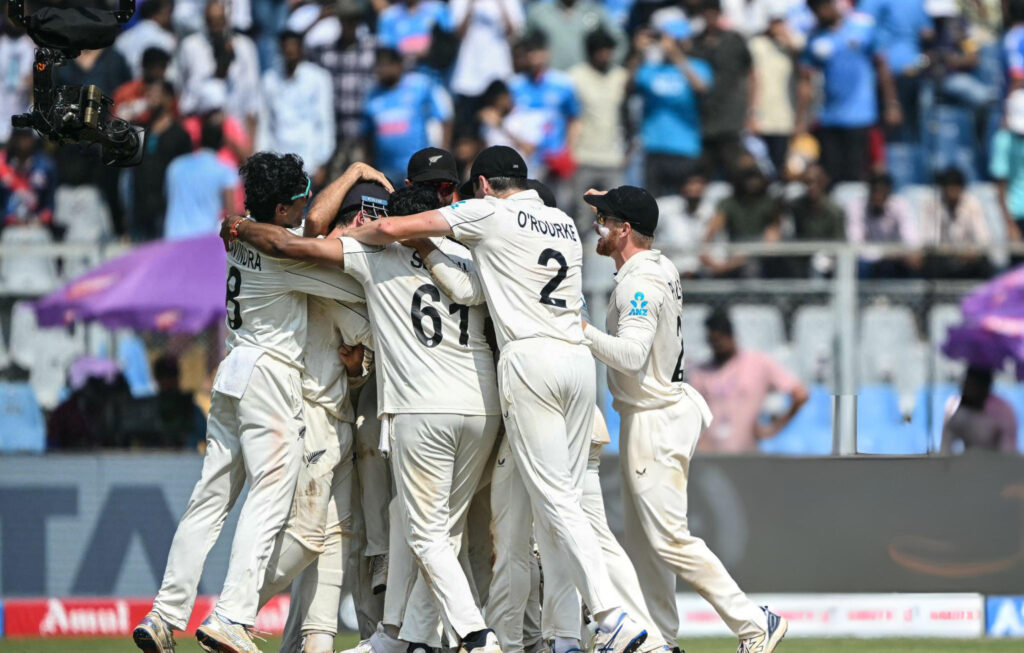
Wicket-keeping represents cricket’s most specialized skill, requiring exceptional reflexes, concentration, and technical ability throughout entire innings. Great keepers influence matches through stumping dismissals, diving catches, and leadership that elevates team performances.
Technical Fundamentals
Effective wicket-keeping begins with proper stance and positioning behind the stumps. Keepers maintain low, balanced positions that enable quick movements in any direction. Footwork coordination allows smooth lateral movement while hands remain soft and relaxed for clean gathers.
Glove technique requires years of practice developing sensitive touch that cushions ball impact. Keepers learn to “give” with deliveries, absorbing pace rather than resisting it. This technique prevents rebounds while maintaining control for quick throw attempts.
Reading Bowlers
Understanding bowling patterns allows keepers to anticipate delivery lines and lengths. They study bowler grips, approaches, and release points that indicate ball types. This knowledge positions keepers optimally while preparing for various trajectory possibilities.
Communication with bowlers establishes mutual understanding of field placements and tactical approaches. Keepers provide feedback about bounce consistency and visible weaknesses in batsmen’s techniques. This collaboration enhances bowling effectiveness through informed strategic adjustments.
Standing Up to Stumps
Keeping to spin bowling requires courage and skill as keepers stand close to stumps risking painful impacts. They must collect sharply turning deliveries while watching for stumping opportunities when batsmen overbalance. Split-second decisions determine whether to attempt dismissals or prioritize clean gatherings.
Standing up to medium-pace bowling adds pressure on batsmen while creating additional dismissal opportunities. This aggressive keeping requires exceptional reflexes and bravery as balls arrive quickly from short distances. The tactical advantage often justifies occasional missed collections.
Diving and Acrobatics
Spectacular diving saves prevent boundary runs while demonstrating commitment that inspires teammates. Modern keepers train extensively developing athletic abilities for horizontal dives and leaping takes. These efforts often swing match momentum through dramatic moments that energize teams.
Judging when to attempt difficult catches versus preventing boundaries requires experience-based wisdom. Young keepers often attempt unnecessary dives while veterans select high-percentage opportunities. This judgment develops through thousands of keeping decisions across varied match situations.
Mental Demands
Wicket-keeping requires sustained concentration throughout entire innings as every delivery demands full attention. Mental fatigue becomes significant during long days when physical tiredness compounds concentration difficulties. Great keepers maintain focus through disciplined routines and mental reset techniques.
Handling mistakes without confidence loss separates elite keepers from merely competent performers. Dropped catches and missed stumpings inevitably occur, but mental resilience prevents error cascades. Strong keepers compartmentalize mistakes, maintaining confidence for subsequent opportunities.
Leadership Roles
Keepers possess unique perspectives on match developments through central field positions and continuous involvement. Many become captains utilizing positional advantages and game awareness. Their constant communication naturally extends into leadership directing field placements and tactical adjustments.
Managing bowling attacks requires diplomatic skills as keepers request changes and suggest tactics. Maintaining positive relationships with bowlers ensures receptive audiences for constructive suggestions. This influence significantly impacts match outcomes through optimized bowling strategies.
Batting Contributions
Modern keepers must contribute significantly with the bat as wicket-keeping ability alone no longer justifies selection. Batting keepers change match dynamics through lower-order partnerships that rescue poor team performances. This dual capability makes keepers invaluable to contemporary cricket teams.
Balancing batting and keeping responsibilities creates fatigue challenges requiring exceptional fitness. Keepers often bat after long fielding stints, demanding mental toughness to switch focuses quickly. This versatility defines modern wicket-keeping’s evolution into complete cricket roles.
Different Format Approaches
Test cricket keeping emphasizes consistency over extended periods while limited-overs keeping requires explosive athleticism. T20 keepers face unique challenges from innovative batting strokes creating unpredictable ball trajectories. Format-specific skills require different training emphasizes and technical adjustments.
Glove and pad equipment varies between formats accommodating different protection and mobility requirements. Test keepers prioritize protection for sustained periods while T20 keepers emphasize lightweight mobility. These adaptations reflect format-specific demands on keeping techniques.
Training Methodologies
Modern keeping training includes reaction ball exercises, close-catching drills, and throwing accuracy practice. Video analysis identifies technical inefficiencies while providing feedback for continuous improvement. Specialized keeping coaches develop comprehensive training programs addressing all keeping aspects.
Fitness work emphasizes lower body strength for sustained crouching positions and explosive movements. Core stability training supports the bent posture maintained throughout innings. These conditioning programs prevent injury while maintaining performance standards through long matches.
Conclusion
Wicket-keeping excellence requires unique skill combinations making great keepers invaluable team assets. Technical mastery, mental fortitude, and athletic ability merge creating complete performers who influence matches through multiple contributions. The wicket-keeping art continues evolving as modern cricket demands increasing versatility while maintaining traditional keeping fundamentals that separate elite performers from capable understudies.


More Stories
Cricket’s Greatest Comebacks – When Teams Defy the Odds
The Science of Swing Bowling – Mastering Cricket’s Dark Art
Cricket Coaching Philosophy – Developing Champions from Grassroots